
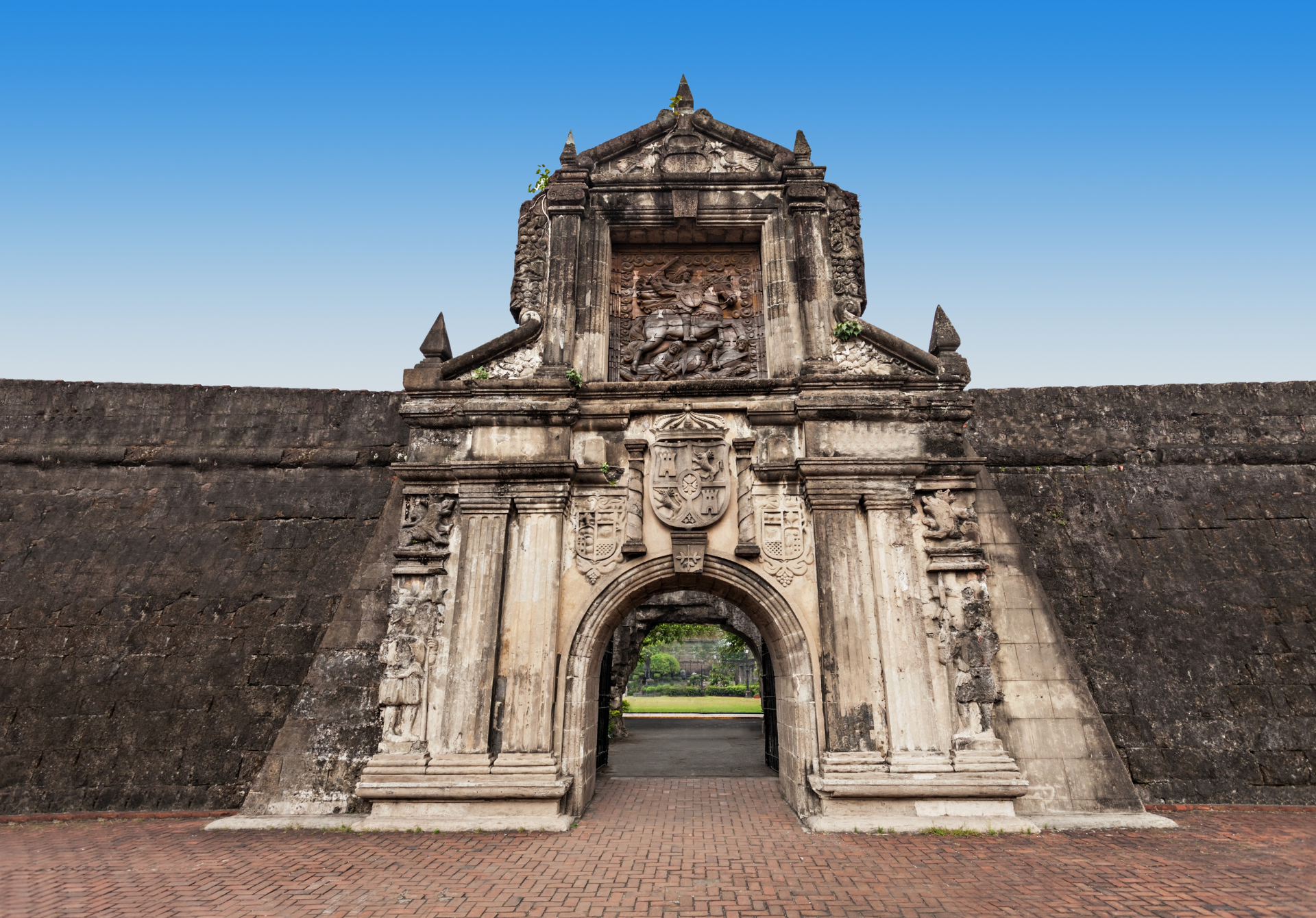
Look, I get it. When you’re planning a trip to Manila, you might be tempted to skip the history stuff and head straight for the beaches or the shopping districts. But trust me on this one, Fort Santiago isn’t your typical dusty museum experience. This 16th-century fortress in the heart of Intramuros is where Philippine history literally comes alive, and it’s one of those rare places that’ll give you goosebumps while teaching you something profound.
Why Fort Santiago Should Be on Your Must-Visit List
Built between 1589 and 1592 using volcanic tuff (adobe), Fort Santiago has witnessed pretty much every major chapter in Philippine history. We’re talking Spanish colonization, Chinese invasions, World War II battles, and the birth of Philippine independence. The fortress was originally constructed under Miguel Lopez de Legazpi’s direction as the main defensive structure for the flourishing city of Manila, and boy, has it earned its battle scars.
What makes this place special isn’t just the age of the stones, it’s the stories they tell. This citadel has been recognized as a National Cultural Treasure, and rightfully so. Walk through its gates, and you’re literally stepping into the same courtyard where Filipino hero Jose Rizal spent his final hours before his execution in 1896.
What You’ll Actually See (And Why It Matters)
Here’s the thing about Fort Santiag:o it’s not overwhelming. You can explore the entire complex in about 2-3 hours, which makes it perfect for those of you working with packed itineraries. But don’t let the compact size fool you; every corner packs a historical punch.
Key Attractions Within the Fort:
- The Rizal Shrine (Museo ni Jose Rizal): This is the emotional centerpiece. Located in the former military barracks where Rizal was imprisoned, the museum houses his personal belongings, including the oil lamp where he hid his famous poem “Mi Último Adiós.” The most sobering exhibit? Rizal’s actual vertebra that was struck by the bullet during his execution. It’s intense, it’s moving, and it’s absolutely essential to understanding Philippine identity.
- Plaza de Armas: This central plaza was where Spanish soldiers conducted their daily drills and stored weapons. Today, it’s a peaceful green space where you can catch your breath between exhibits. Early morning visits here are particularly magical when the light hits the old stone walls just right.
- The Dungeons: Open to the public from 2 PM to 10 PM, these underground chambers tell the darker side of the fort’s history. During World War II, countless Filipino and American prisoners were held here by Japanese forces. It’s haunting, it’s humid, and it’s unforgettable.
- The Gates and Walls: Don’t just rush through—take time to examine the massive stone fortifications. These walls were built to withstand cannon fire, and they’ve got the scars to prove it. The views from the ramparts overlooking the Pasig River are Instagram-worthy, but they’re also a reminder of the fort’s strategic importance.
Practical Info: Getting There and Getting In
Fort Santiago operates daily from 8:00 AM to 9:00 PM, though some sources suggest the core hours are 8 AM to 7 PM, so I’d recommend confirming current hours before you head out. The entrance fee is refreshingly affordable at 75 pesos for adults (roughly $1.30 USD), with discounted rates of 50 pesos for students, senior citizens, and persons with disabilities. Some evening time slots after 8 PM may require advance booking through platforms like Klook.
Pro tip from someone who’s done the research: arrive early, between 8:00 and 10:00 AM. You’ll beat the heat (and trust me, Manila heat is no joke), avoid the tour bus crowds, and get the best light for photos. Plus, there’s something special about experiencing the fort in the relative quiet of morning when you can almost hear the echoes of history.
Insider Tips for Your Visit
- Hire a guide or go solo? Guided tours are available and worth considering if you want a deeper context. However, the exhibits are well-labelled in English, so independent exploration works perfectly fine too.
- Dress appropriately: We’re talking comfortable walking shoes (those cobblestones are uneven), light clothing, and a hat. This is an outdoor historical site with limited shade in some areas.
- Combine with other Intramuros sites: Your Fort Santiago ticket doesn’t cover other Intramuros attractions like Casa Manila or Baluarte de San Diego (those are separate 75-peso fees each), but the walled city itself is free to walk around. Make a day of it.
- Photography is allowed: Unlike some museums, you can take photos throughout most of the fort. Capture those atmospheric shots, but please be respectful in the more sombre spaces like Rizal’s cell.
- Stay hydrated: There are vendors near the entrance selling water and snacks. Buy before you enter—prices inside tourist sites are always higher.
Why This Matters for Modern Travelers
Here’s what makes Fort Santiago different from your average historical attraction: it’s not just about looking at old stuff. This place helps you understand why the Philippines is the way it is today. The Spanish colonial influences, the resistance movements, the wartime sacrifices, they’re all woven into the fabric of contemporary Filipino culture.
For concierge services and tourism professionals, Fort Santiago offers something increasingly rare: an authentic cultural experience that doesn’t feel manufactured for tourists. Yes, there are gift shops and tour groups, but the site maintains its dignity and educational value. It’s the kind of place where your clients will actually thank you for recommending it.
The Bottom Line
Fort Santiago isn’t just a checkbox on your Manila itinerary it’s a window into the soul of the Philippines. Whether you’re a history buff, a casual traveler, or somewhere in between, spending a morning at this fortress will give you context for everything else you experience in the country. The entrance fee is minimal, the location is central (right in Intramuros, easily accessible from most Manila hotels), and the impact is profound.
From the moment you walk through those massive stone gates to the quiet reflection you’ll feel standing in Rizal’s cell, Fort Santiago delivers an experience that’s both educational and deeply moving. It’s been standing since the late 1500s, surviving wars, earthquakes, and regime changes. The least we can do is give it a few hours of our time.
So yeah, add it to your list. Better yet, make it a priority. Your understanding of Manila—and the Philippines as a whole will be richer for it. And isn’t that what great travel is all about?