
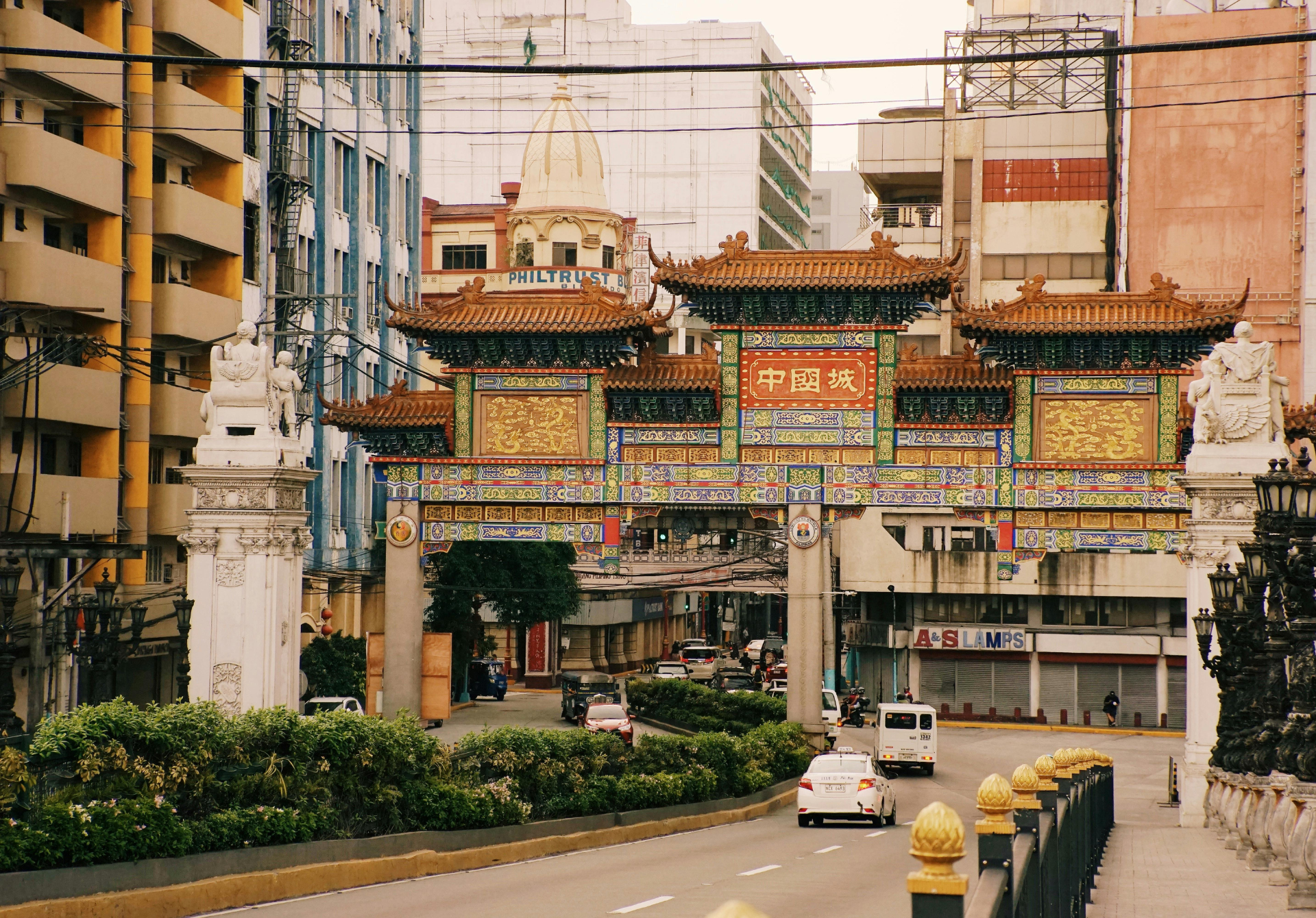
Imagine stepping into a neighborhood where every corner tells a 430-year-old story, where the aroma of freshly steamed dumplings mingles with centuries of history, and where the world’s oldest Chinatown still pulses with vibrant life. Welcome to Binondo, Manila—a destination that’s equal parts time capsule and culinary adventure.
A Living Monument to History
Let’s get one thing straight right off the bat: Binondo isn’t just old, it’s ancient by Chinatown standards. Established in 1594 by Spanish Governor Luis Pérez Dasmariñas, this historic district holds the prestigious title of being the world’s oldest Chinatown. To put that in perspective, Binondo was already a bustling settlement when the Mayflower was still decades away from reaching Plymouth Rock.
The Spanish colonial administration created Binondo as a settlement across the Pasig River from Intramuros, specifically for Catholic Chinese immigrants. The name itself comes from the Tagalog word “binondoc,” meaning mountainous, a reference to its original hilly terrain. What started as a strategic location to monitor Chinese settlers has evolved into a thriving cultural and commercial hub that seamlessly blends Filipino and Chinese heritage.
Your Gateway to Adventure: The Iconic Arch
Your Binondo experience officially begins when you pass through the magnificent New Binondo Chinatown Arch at the foot of Jones Bridge. Erected in 2015, this gateway isn’t just impressive; it’s the largest arch of its kind in the entire world. Standing beneath its red and gold columns, you’ll immediately feel the weight of history and the excitement of discovery that awaits you in the narrow streets beyond.
The arch serves as more than just a photo opportunity (though trust me, you’ll want that shot). It’s a symbol of unity between the Chinese community and Filipino culture, representing centuries of integration, commerce, and mutual influence that have shaped modern Manila.
Why Binondo Should Be on Your Manila Itinerary
If you’re working with travelers or planning your own Manila adventure, here’s why Binondo deserves a prominent spot on any itinerary:
- Authentic Cultural Immersion: Unlike manufactured tourist attractions, Binondo is a living, breathing neighborhood where daily life unfolds naturally. You’ll witness real commerce, genuine traditions, and authentic interactions, not performances staged for visitors.
- Foodie Paradise: Binondo has transformed from a financial hub into what many consider a culinary hotspot. From hole-in-the-wall dumpling shops to established restaurants serving generations-old recipes, this is where Manila comes to eat Chinese food done right.
- Architectural Time Travel: The district showcases a fascinating mix of old and new. Historic structures like Binondo Church stand proudly alongside modern commerce, creating a visual narrative of the neighborhood’s evolution.
- Walkable Discovery: Despite Manila’s notorious traffic challenges, Binondo rewards those willing to explore on foot. The colorful streets, bustling markets, and hidden temples reveal themselves best to pedestrians with comfortable shoes and curious minds.
Must-Experience Attractions and Activities
When you’re planning client itineraries or your own visit, make sure to include these Binondo essentials:
- Buddhist Temples: Several traditional temples dot the district, offering peaceful retreats from the bustling streets and insights into the spiritual life of Binondo’s Chinese-Filipino community.
- Street Markets: The vibrant markets offer everything from traditional Chinese medicines to imported goods, textiles, and everyday items. It’s chaotic, authentic, and utterly fascinating.
- Binondo Church (Minor Basilica of San Lorenzo Ruiz): This historic church represents the Catholic heritage of the district’s original Chinese converts and stands as a beautiful example of religious architecture.
- Food Crawls: Whether it’s Chinese New Year or any ordinary Tuesday, organizing a food crawl through Binondo’s legendary eateries is the ultimate way to experience the district. Shanghai fried siopao, tasty dumplings, and countless other delicacies await.
Practical Tips for Concierge Services
Here’s the honest truth about navigating Binondo that you won’t always find in glossy brochures:
- Comfortable Footwear is Non-Negotiable: The sidewalks can be narrow, crowded, or occasionally non-existent. Your clients will thank you for emphasizing proper walking shoes.
- Embrace the Chaos: Binondo isn’t pristine or perfectly manicured. It’s real, lived-in, and sometimes messy—that’s part of its authentic charm. Set expectations accordingly.
- Timing Matters: Chinese New Year transforms Binondo into an even more spectacular destination, but expect massive crowds. For a more relaxed experience, weekday mornings offer the best balance of activity without overwhelming congestion.
- Cash is King: Many smaller establishments and street vendors operate on a cash-only basis. Advise clients to come prepared with Philippine pesos.
- Local Guides Add Value: While Binondo is certainly explorable independently, a knowledgeable local guide can unlock hidden gems, historical context, and insider food spots that tourists might otherwise miss.
The Bottom Line for Tourism Professionals
Binondo represents something increasingly rare in modern tourism—genuine authenticity. It’s not a theme park version of Chinese culture; it’s the real deal, complete with all the beautiful imperfections that come with a living neighborhood that has evolved over four centuries. The district offers everything from Buddhist temples to pawn shops, from heritage architecture to contemporary commerce, creating a rich tapestry that appeals to history buffs, food enthusiasts, and cultural explorers alike.
For concierge services and tourism professionals, Binondo provides an opportunity to offer clients something beyond the typical Manila tourist circuit. It’s accessible, affordable, and packed with experiences that create lasting memories. Whether you’re arranging a half-day food tour or incorporating Binondo into a broader Manila itinerary, this historic Chinatown delivers authentic cultural immersion that sophisticated travelers increasingly seek.
The key to maximizing the Binondo experience lies in proper expectation-setting and thoughtful planning. This isn’t about luxury or polish, it’s about genuine cultural exploration, incredible food, and connecting with a neighbourhood that has witnessed centuries of Philippine history while remaining vibrantly relevant today.
Bringing It All Together
Binondo, Manila, stands as a testament to cultural resilience, adaptation, and the beautiful complexity that emerges when communities blend over centuries. As the world’s oldest Chinatown, it offers tourism professionals a distinctive selling point, but more importantly, it delivers authentic experiences that resonate long after visitors leave its bustling streets.
From the moment your clients pass under that record-breaking arch to their last bite of Shanghai siopao, Binondo provides a masterclass in how heritage tourism should work, not manufactured or sanitized, but real, vibrant, and delicious. In an era where travelers increasingly seek authentic cultural experiences over cookie-cutter attractions, Binondo delivers exactly what modern explorers crave: a genuine connection to place, history, and community that can only come from somewhere that’s been getting it right for more than four hundred years.