
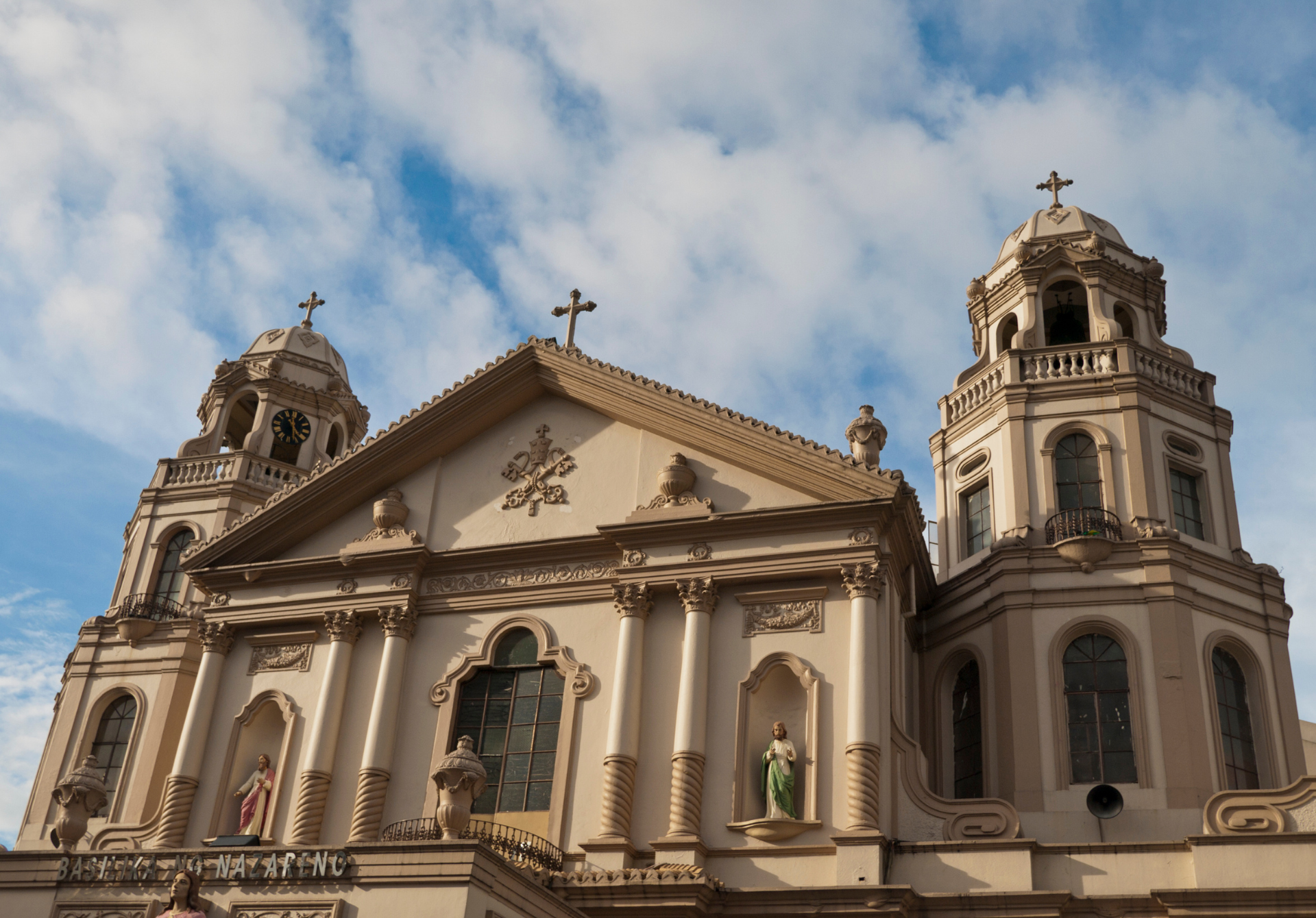
If you’re planning a trip to Manila and want to experience something truly extraordinary where centuries of history collide with modern Filipino spirituality in the most vibrant way possible, then you absolutely need to put Quiapo Church on your itinerary.
A Church That Refuses to Stay Quiet
Let’s be real: most churches are places of hushed reverence and quiet contemplation. Quiapo Church? Not so much. Officially known as the Minor Basilica and National Shrine of Jesus Nazareno (or Saint John the Baptist Parish if you want to get technical), this isn’t your typical tourist-trap cathedral. This is where Manila’s soul lives and breathes.
Located in the district of Quiapo, named after the kiapo, a cabbage-like water lily that once grew abundantly in the area, the church has been drawing crowds since the Franciscan missionaries first established it back in 1578. The current structure dates to 1933, rising from the ashes of an earlier church destroyed by fire, but the energy here? That’s been building for over 400 years.
The Black Nazarene: The Star of the Show
Here’s what you need to know: Quiapo Church is home to the Black Nazarene, a dark wooden statue of Jesus Christ carrying the cross that millions of Filipinos believe possesses miraculous powers. This isn’t just religious artwork gathering dust; this is one of the most venerated religious icons in the entire Philippines.
The statue arrived from Mexico in the early 17th century, and according to legend, it survived a ship fire that darkened its complexion. Whether you’re a believer or simply a cultural enthusiast, standing before this deeply revered image is genuinely moving. The devotion you’ll witness is palpable, authentic, and unlike anything you’ve probably experienced before.
Traslación: When Manila Goes All In
Want to see something absolutely wild? Visit on January 9th for the Feast of the Black Nazarene, locally known as Traslación. This annual procession commemorates the transfer of the statue from Intramuros to its current home in Quiapo, and it’s basically the Super Bowl of Filipino religious festivals.
The numbers are staggering. In 2024, after a three-year pandemic hiatus, an estimated 6.5 million devotees participated in the procession and related activities. In 2025, reports suggest over 8 million people joined the celebration. To put that in perspective, that’s more people than the entire population of many countries, all converging on Manila’s streets for a single religious event.
Many devotees dressed in maroon, the color associated with the Black Nazarene, attempt to touch or grab the rope pulling the carriage carrying the statue, believing physical contact brings blessings and healing. It’s intense, sweaty, chaotic, deeply spiritual, and absolutely unforgettable.
What to Expect When You Visit
On a typical day (read: not during Traslación), Quiapo Church offers a fascinating window into everyday Filipino Catholic practice. Here’s what makes it special:
- Constant activity: Unlike many tourist churches that feel like museums, Quiapo buzzes with worshippers throughout the day. You’ll see people praying, lighting candles, and reverently touching the replica of the Black Nazarene (the original is kept secure except during special occasions).
- Accessible spirituality: There’s no entrance fee, no velvet ropes, no snooty guards. This is a living, breathing parish church that welcomes everyone from tourists in flip-flops to elderly devotees who’ve been coming for decades.
- The surrounding market: Step outside and you’re immediately plunged into one of Manila’s most vibrant street markets. Vendors sell everything from religious items and herbal medicines to electronics and counterfeit goods. It’s chaotic, slightly overwhelming, and absolutely authentic Manila.
Practical Tips for Your Visit
If you’re working with a concierge service or planning your own Manila adventure, here’s the insider knowledge you need:
- Dress modestly: This is a working church, not a tourist attraction. Cover your shoulders and knees out of respect.
- Watch your belongings: The area can get crowded, and pickpockets know tourists make easy targets. Keep valuables secure and maintain awareness of your surroundings.
- Go on a Friday: Friday is traditionally when devotees flock to Quiapo Church in larger numbers, making it perfect for experiencing the authentic atmosphere without the January madness.
- Time it right: Early morning visits (6-8 AM) offer a more contemplative experience, while afternoons bring bigger crowds and more energy.
- Combine it with nearby attractions: Quiapo sits in the heart of old Manila. You’re a short distance from Intramuros, Chinatown (Binondo), and the Pasig River. Make it part of a cultural deep-dive into Manila’s historic core.
Beyond the Church Walls
The Quiapo experience doesn’t end when you exit the basilica. The district itself is a character, gritty, genuine, and gloriously chaotic. Wander through the surrounding streets and you’ll find fortune tellers, traditional healers, bookstores stacked floor-to-ceiling with dusty volumes, and some of the best street food in Manila.
Try the local delicacies from the street vendors: freshly grilled isaw (chicken intestines), fishballs on sticks, and the sweet, sticky turon (fried banana spring rolls). This is Manila unfiltered, where tourist sheen gives way to real urban life.
A Living Monument
On January 29, 2024, Quiapo Church reached a new milestone when bishops from across the Philippines gathered for its solemn declaration as the National Shrine of Jesus Nazareno, the first time in the parish’s history that such a gathering occurred. This recognition, building on its 1987 designation as a Minor Basilica by Pope John Paul II, cements Quiapo’s status as one of the most important religious sites in the Philippines.
But titles and official recognition only tell part of the story. What makes Quiapo Church genuinely special is its refusal to be museumified. This isn’t a monument to dead histor,y it’s a living, vital place where faith, culture, commerce, and community collide in spectacular fashion every single day.
Final Thoughts: Why You Shouldn’t Skip This
Look, if you want sanitized, Instagram-perfect tourism experiences, there are plenty of options in Manila. But if you want to understand the Filipino spirit, the deep Catholic faith mixed with pre-colonial traditions, the organized chaos, the warmth and intensity, then Quiapo Church is non-negotiable.
It’s raw, it’s real, and it’s unlike anywhere else you’ll visit. Whether you’re a spiritual seeker, a culture enthusiast, or simply someone who wants to see beyond the tourist facade of Manila, Quiapo offers an experience that will stay with you long after you’ve left the Philippines.
Just remember: check your expectations at the door, guard your wallet, open your mind, and prepare to be amazed by one of Southeast Asia’s most extraordinary religious and cultural phenomena. This is Manila at its most authentic, messy, magnificent, and absolutely unmissable.