
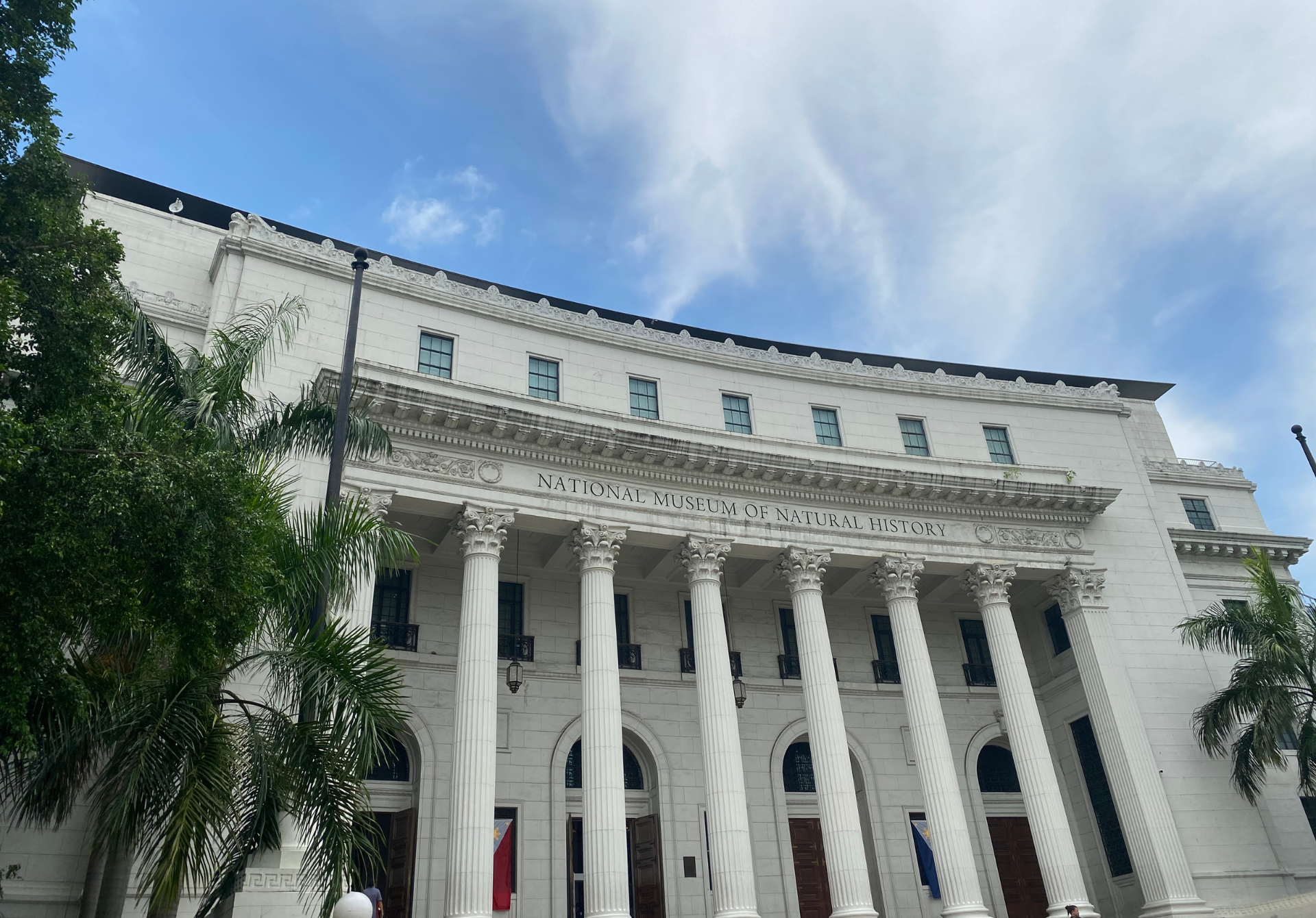
Looking for a spectacular indoor experience that won’t cost you a single peso? Let me tell you about one of Manila’s best-kept secrets that’s hiding in plain sight. The National Museum of Natural History isn’t just another dusty collection of artefacts; it’s an absolute showstopper that’ll have you wondering why you haven’t visited sooner.
Nestled in the heart of Rizal Park along Agrifina Circle, this stunning neoclassical building houses what many consider the crown jewel of Manila’s cultural institutions. Originally constructed in 1940 as the Agriculture and Commerce Building, this architectural beauty was reimagined and opened to the public in May 2018, and trust me, it was worth the wait.
The Iconic Tree of Life: Instagram’s Favorite Spot
Before you even start exploring the galleries, you’ll be absolutely mesmerized by the museum’s centrepiece, the magnificent Tree of Life. Picture this: a towering structure rising through six exhibition floors, topped with a breathtaking glass dome that filters natural light like you’re standing in an enchanted forest. It’s not just a pretty face, though; this architectural marvel doubles as a scenic elevator shaft that takes visitors through different levels of the museum.
Fair warning: you’ll want to clear some space on your phone because this spot is incredibly photogenic. But here’s a pro tip – try to visit on weekdays if you want that perfect shot without dozens of other visitors in the frame. The dappled sunlight streaming through the dome creates the most magical atmosphere, especially in the late morning.
What You’ll Discover Inside
The museum follows a brilliant “mountains to sea” concept that takes you on a journey through the Philippines’ incredible biodiversity. With 12 permanent galleries spread across multiple floors, you’ll find yourself immersed in everything that makes this archipelago so uniquely diverse.
Highlights You Absolutely Can’t Miss:
- Lolong’s Skeleton: Meet the remains of the world’s largest saltwater crocodile ever captured. At over 20 feet long, Lolong’s skeleton is an absolute jaw-dropper that puts the size and power of these creatures into stunning perspective.
- Endemic Species Exhibits: The Philippines is home to species found nowhere else on Earth, and you’ll get up close with taxidermy displays and interactive exhibits showcasing everything from the Philippine eagle to the tarsier.
- Marine Ecosystem Galleries: Dive into the underwater world of the Philippine seas without getting wet. The marine galleries showcase the incredible coral reef systems and diverse aquatic life that make the Philippines a world-class diving destination.
- Geological Formations: Discover how the islands were formed and explore fascinating rock specimens, minerals, and fossils that tell the geological story of the archipelago.
- Rainforest Biodiversity Displays: Walk through recreated forest environments and learn about the delicate ecosystems that are fighting for survival in our modern world.
Practical Information for Your Visit
Here’s where it gets even better – admission is completely FREE. Yes, you read that right. One of Manila’s most impressive museums doesn’t charge a single centavo, making it perfect for budget-conscious travelers or families looking for an educational day out.
The museum is open daily from 9:00 AM to 6:00 PM, though it’s worth noting they’re closed on select religious holidays. Make sure to arrive at least 30 minutes before closing time, as that’s when they stop letting visitors in. The museum can get particularly crowded on weekends, so if you prefer a more relaxed experience, weekday mornings are your best bet.
Getting There and What to Know
Located within the National Museum Complex at Rizal Park, you’re actually getting three museums for the price of one. The National Museum of Fine Arts and the National Museum of Anthropology are right next door, so if you’re feeling ambitious, you can make a full day of cultural immersion.
Getting to Rizal Park is straightforward; it’s one of Manila’s most accessible landmarks. You can take a taxi, use ride-sharing apps, or hop on the LRT and walk from the United Nations Avenue station. Just tell your driver “Rizal Park” or “National Museum,” and they’ll know exactly where to take you.
Insider Tips for Concierge Services:
- Plan for at least 2-3 hours to properly explore the museum without rushing
- Bring a light jacket – the air conditioning can be quite strong
- Photography is allowed, but flash photography and tripods are prohibited
- Large bags may need to be checked at security, so travel light if possible
- There’s no food allowed inside, but the surrounding Rizal Park area has plenty of food vendors and cafes
- The museum is wheelchair accessible with ramps and elevators throughout
Why This Should Be on Every Manila Itinerary
In a city filled with shopping malls and traffic jams, the National Museum of Natural History offers something refreshingly different. It’s educational without being boring, Instagram-worthy without being superficial, and best of all, it celebrates what makes the Philippines truly special, its unparalleled natural heritage.
Whether you’re a nature enthusiast, a family with curious kids, or simply looking for an air-conditioned escape from Manila’s heat, this museum delivers on all fronts. The interactive displays keep things engaging, the specimens are world-class, and the building itself is a masterpiece of design that honours its historical roots while embracing modern museum standards.
Key Takeaways
The National Museum of Natural History stands as a testament to the Philippines’ incredible biodiversity and represents one of Manila’s most valuable cultural assets. With free admission, daily operations, and 12 thoughtfully curated galleries, it offers visitors an unparalleled journey through the country’s natural wonders – from the highest mountains to the deepest seas.
The iconic Tree of Life serves as both an architectural marvel and a symbolic representation of the interconnected ecosystems displayed throughout the museum. Whether you’re marveling at Lolong’s massive skeleton, learning about endemic species, or simply soaking in the beauty of the renovated neoclassical building, you’re experiencing a world-class institution that rivals natural history museums anywhere in the world.
For travelers and locals alike, this museum isn’t just a rainy-day alternative; it’s an essential stop that deepens your appreciation for the natural treasures that make the Philippines one of the world’s most biodiverse nations. Make it a priority on your Manila itinerary, and you’ll leave with a newfound respect for the environmental wealth that surrounds these islands.