
Looking for a slice of serenity in the bustling heart of Manila? Let me tell you about Rizal Park or Luneta, as the locals affectionately call it. This isn’t just another city park; it’s a 60-hectare masterpiece where Philippine history, international culture, and natural beauty come together in one spectacular package.
The Garden Trio You Can’t Miss
Here’s what makes Rizal Park truly special for garden enthusiasts: it features three distinct themed gardens, each offering a completely different cultural experience. Think of it as a mini world tour without leaving Manila.
The Chinese Garden is where things get seriously photogenic. The moment you step through that ornate gate adorned with swirling dragons, you’ll feel like you’ve been transported straight to old Beijing. The designers didn’t hold back here; they’ve created pagodas and gazebos scattered around a lagoon that mimics a traditional Chinese lake. The rockeries are uniquely shaped, and the waterfalls and fountains add that perfect touch of zen to your visit. It’s consistently the most popular of the three gardens, and for good reason.
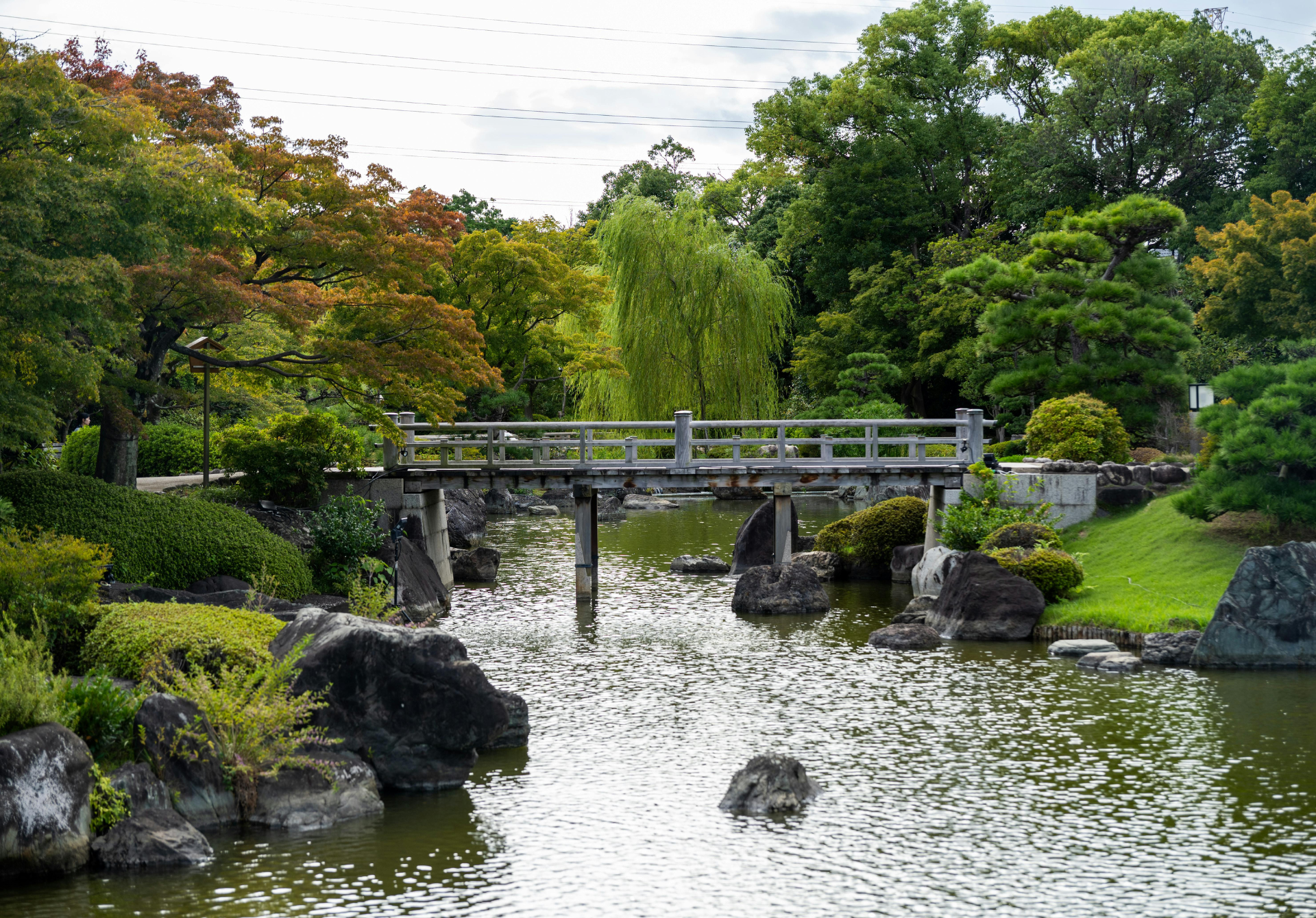
The Japanese Garden offers a more intimate, contemplative experience. Located in the northern section of the park (just past the Open Air Auditorium), this garden welcomes you through a charming straw-brown, Japanese-style entrance building. Inside, you’ll find koi ponds, stone lanterns, and lush greenery that create an incredibly peaceful atmosphere. A large irregular pond dominates the landscape, connected by a long bridge that’s become a favourite spot for photographers and couples alike. The aesthetic is understated but authentic, perfect for those seeking a quieter moment away from Manila’s energy.
The Spanish Garden completes the cultural trilogy, though it tends to be less crowded than its Asian counterparts. This gives you the perfect opportunity to explore at your own pace and really appreciate the design elements that pay homage to Spanish colonial influence in the Philippines.
Beyond the Gardens: What Else Is There?
If you’re thinking the gardens are all there is to see, think again. Rizal Park is packed with attractions that can easily fill an entire day:
- The Central Lagoon and Musical Fountain: This is the park’s showstopper. The dancing fountain puts on performances that are especially magical in the evening when it’s illuminated.
- The Rizal Monument: You can’t visit the park without paying respects to Dr José Rizal, the Philippine national hero. The monument marks the spot where he was executed in 1896.
- Giant Relief Map: Want to understand the Philippines’ geography? There’s an impressive three-dimensional map of the entire archipelago.
- Open-Air Auditorium: This massive amphitheatre hosts cultural events and concerts throughout the year.
- The Orchid and Butterfly Pavilion: Home to varied species of orchids and butterflies, this might be the most picturesque spot in the entire park. It’s also a popular venue for weddings and private events.
Practical Tips for Your Visit
Now let’s talk logistics, because even the most beautiful park needs a game plan. The park is open 24/7, but I’d recommend visiting during daylight hours for the best experience. Early morning (around 6-8 AM) is perfect if you want to see locals doing tai chi and jogging, plus the gardens look absolutely stunning in the morning light. Late afternoon into early evening is another sweet spot, especially if you want to catch the musical fountain show.
The park has thoughtfully placed public restrooms throughout, particularly near the central lagoon, Quirino Grandstand, and the Chinese Garden, so you’re covered on that front. There are also plenty of shaded areas and benches where you can rest between explorations.
Getting there is straightforward. The park is located along Roxas Boulevard, easily accessible by taxi, ride-sharing apps, or the LRT (United Nations Avenue station is your best bet). If you’re staying in Ermita or the tourist belt, it’s even within walking distance.
Recent Developments and Food Scene
The park has been getting some serious attention lately. In 2024, it hosted the Philippine Eatsperience food park, transforming one of Luneta’s pocket gardens into a bustling culinary destination with over 30 food vendors. The park has also been the site of significant events, including setting a Guinness World Record in March 2024 for the largest human lung formation with 5,596 participants, who talk about Instagram-worthy moments!
Why Garden Lovers Should Make This a Priority
Here’s the thing about Rizal Park’s gardens: they’re not trying to be Versailles or the Gardens of Kyoto. Instead, they offer something more accessible and equally valuable a genuine cultural exchange wrapped in natural beauty. Each garden has been designed with authenticity in mind, featuring traditional elements like Chinese-style galleries, Japanese stone lanterns, and Spanish colonial touches that reflect the Philippines’ rich multicultural heritage.
For tourism professionals and concierge services, this is a goldmine of recommendations. The gardens appeal to different traveler types: photography enthusiasts love the Chinese Garden’s dramatic features, meditation seekers prefer the Japanese Garden’s quiet ponds, and history buffs appreciate how the gardens complement the park’s broader narrative about Philippine identity.
Final Thoughts: Your Manila Must-Do
Rizal Park’s gardens represent something special in Manila’s tourism landscape, a free, accessible attraction that delivers genuine cultural value. Whether you’re planning a romantic stroll, a family outing, or simply need a break from the city’s intensity, these gardens deliver.
The beauty of Rizal Park is its versatility. Spend 30 minutes or spend all day, the experience adapts to your schedule. The themed gardens offer distinct atmospheres within a single location, making it easy to curate the perfect visit for any type of traveler. Plus, with the nearby National Museum complex just a short walk away, you can easily craft a full day of cultural exploration.
So here’s my advice: don’t treat Rizal Park as just another checkbox on a Manila itinerary. Give it the time it deserves, wander through each garden, sit by the ponds, and let the carefully crafted landscapes tell their stories. In a city that never stops moving, these gardens offer something increasingly rare: permission to slow down, breathe deeply, and simply be present. That’s the real Manila experience right there.